All the ingredients and recipes originated from this blog. The verdict is great. There is no oil
This is a blog of a blog. Happy Father’s Day
Meat (6-7)
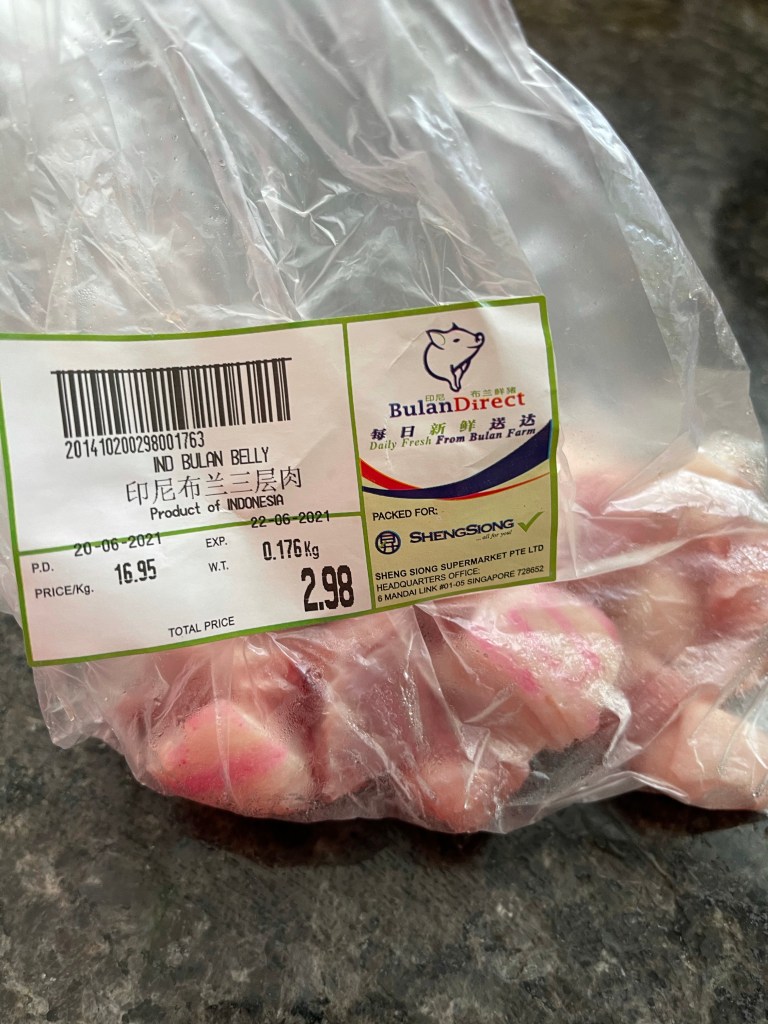
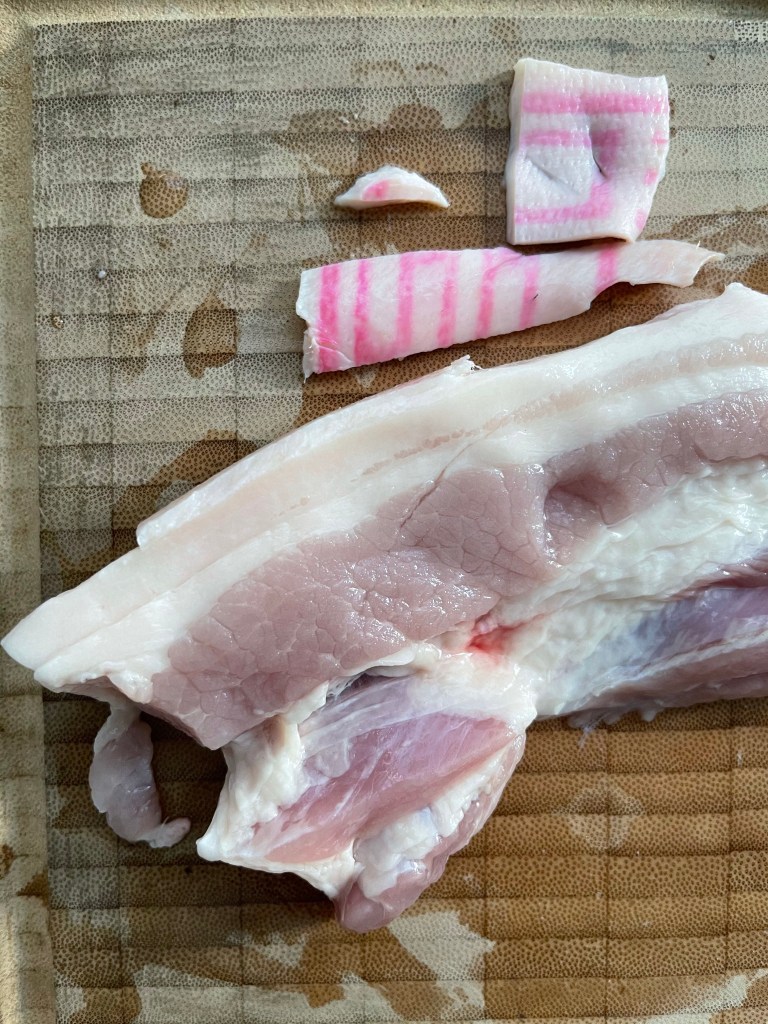
- 196 g skinless pork belly – our pork originated from Indonesia s$2.98
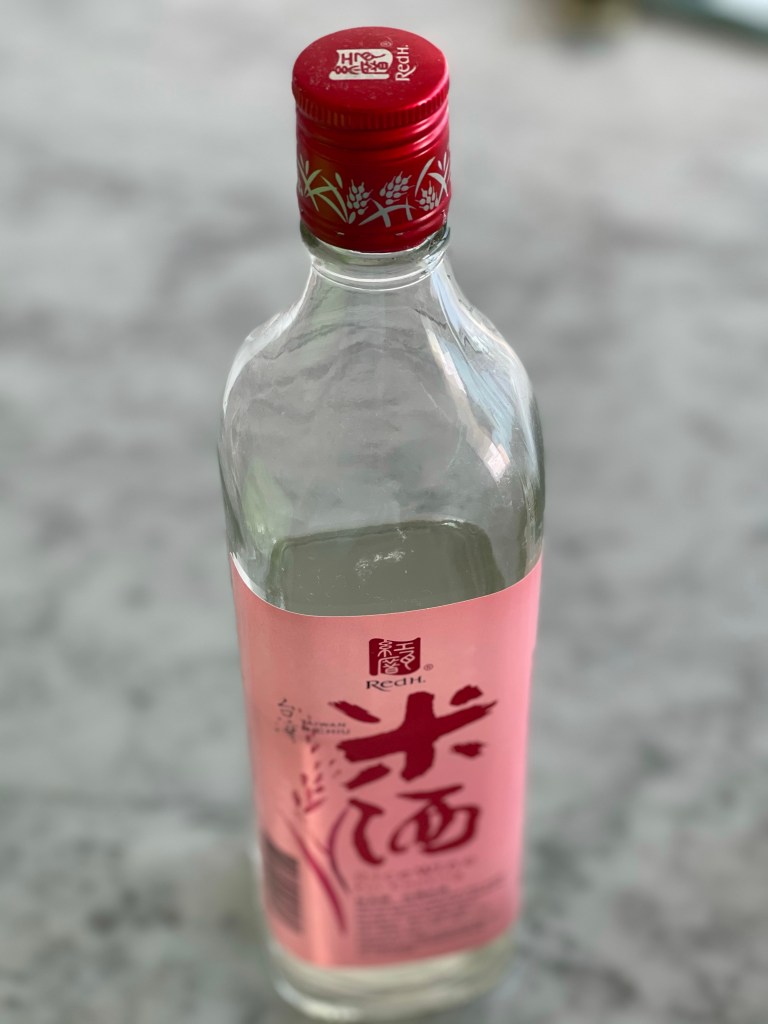
- 30ml (2 tablespoons ) of rice wine
plastic bag lives on much, much longer — perhaps as much as 1,000 years in a landfill
Bring your own bag when you shop
Kimchi & Others
- ▢ 1 1/2 cup aged Kimchi (at least 2 to 3 weeks old), cut into bite size pieces if not already $6.00
- ▢ 1/2 small brown onion (30 g / 1 ounce), thinly sliced $0.50
- ▢ 1stalk small green onion (5 g / 0.2 ounce), thinly sliced $0.50
- ▢ 4 small shiitake mushrooms (50 g / 1.4 ounces), stems removed, thinly sliced $1.50
- ▢ 300 g firm tofu (5.3 ounces), sliced into 1cm thickness rectangles, or other shapes you may prefer. Note-we uses tofu In tubes $3.00
- ▢ 2 cup water
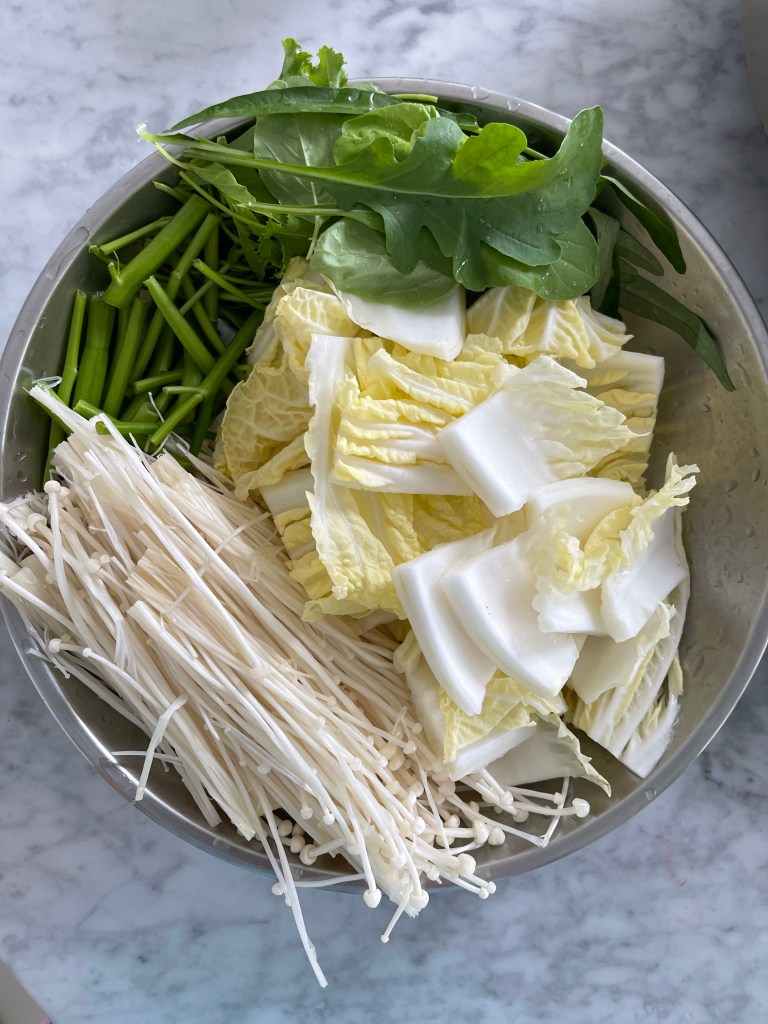
Jjigae base (mix these in a bowl) family of 2A3child
- ▢ 2 Tbsp Korean chili flakes (gochugaru)
- ▢ 2 Tbsp soy sauce
- ▢ 2 tsp Korean chili paste (gochujang) $3.90
- ▢ 1/2 tsp minced garlic

HOW TO MAKE KIMCHI JJIGAE (KIMCHI STEW)
1. Marinate the pork belly with the rice wine and the ground black pepper for about 15 mins.
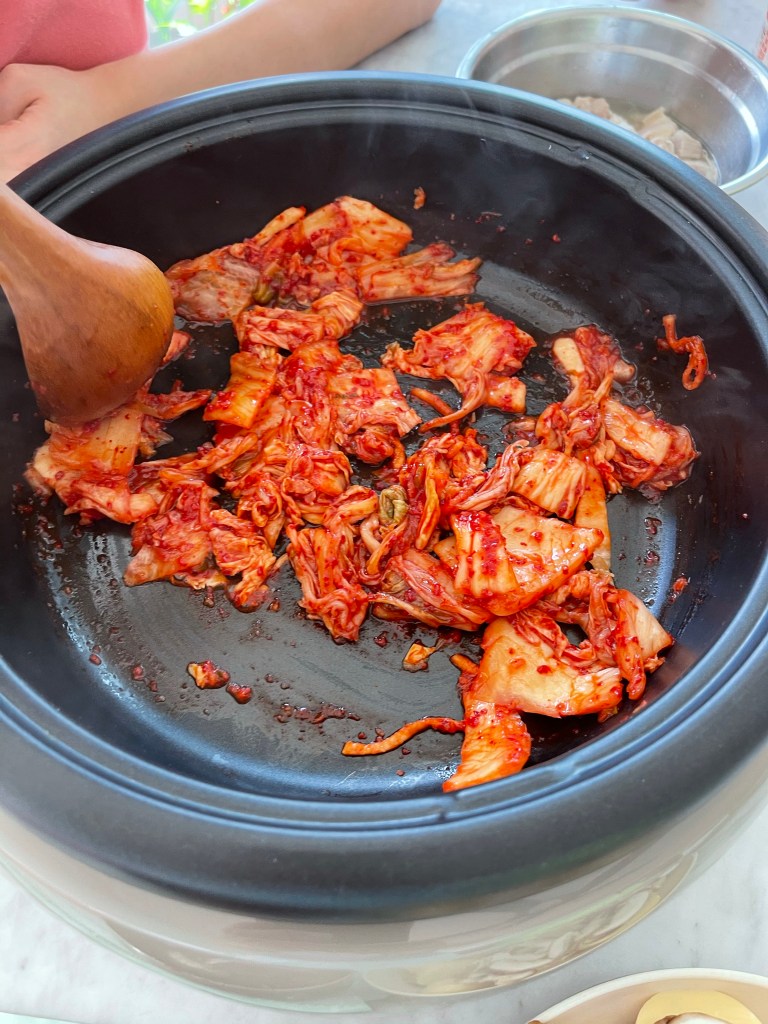
2. Cook the kimchi in a hot plate until soft. (You could do this in the pot where you will make this jjigae. Do this only if the pot is big enough to manoeuvre around.)
3. Put the marinated meat into the bottom of the pot. Add all the other ingredients (kimchi, onion, mushrooms, tofu, water and the base sauce) except for green onion into the pot.

4. Boil the pot on medium high heat initially then reduce the heat to medium once it starts boiling. Cook further until the meat is cooked. (It takes 10 to 15 mins from the beginning of step 4.) Make sure the sauce is well blended into the rest of the ingredients. (This can be done by gently mixing the sauce around the soup with a small teaspoon and splashing the soup over other ingredients every now then). When the meat is cooked, add the green onion and turn the heat off.
5. Serve with rice or ramen (and other side dishes).
 Zen’s garden
One thought on “Singaporean Trying out “Korean Kitchen” Recipe”